 Columbus













Somewhere in the fog. Bikepacking in Vietnam

Somewhere in the Fog.
Patatrack Cycling Collective.
Ha Giang Loop, Vietnam.
A group of cyclists, 350 kilometres through the far north of Vietnam, and the kind of trip that reminds you why you travel by bike in the first place.
01 — The place Grey, foggy, and completely unforgettable
The north of Vietnam doesn't look like anything else. Limestone towers rise vertically out of the ground — karst formations shaped over hundreds of millions of years into something that shouldn't be real. You're riding through them and you still don't quite believe it.
In January, everything is fog. Low clouds settle between the peaks and stay there for days. Visibility drops to fifty metres, sometimes less. Some people might find it oppressive. We found it cinematic — the landscape disappearing and reappearing in pieces as you ride through it. They call this region the "grey paradise." On a misty January morning, pedalling through a valley where you can't see the ridge above you, you understand exactly why.
Much of the Loop passes through the Dong Van Karst Plateau Global Geopark — recognized by UNESCO in 2010. The plateau is protected not only for its geology, but for the cultural heritage of the dozens of ethnic minorities — Hmong, Dao, Tày, Nùng, Lô Lô — who have lived here for centuries, each with their own language, clothing and traditions.
 The fog never really lifted. We stopped minding after the first day.
02 — The trip A proper holiday. Turns out that's allowed.
We had done desert before. Long stretches of nothing, big landscapes, the kind of emptiness that looks incredible in a video and feels even better in real life. But this time, Patatrack wanted something different. We wanted people. Culture. The kind of small, unrepeatable things that happen on the side of a road when you're moving slow enough to notice them.
Here is something we didn't expect: this felt like a holiday. A real one. Not type-two fun rebranded after the fact — an actual, genuinely enjoyable experience from start to finish. Part of it was logistical. We never camped. Every evening, somewhere to sleep appeared — a guesthouse, a family running a few rooms, a place with plastic chairs outside and something hot on the stove. You didn't need to plan much. You pedalled, and the place came to you.
"I experienced this trip as a proper holiday — and I'm not sure that had ever happened to me on a cycling trip before."
 Every evening, somewhere appeared. We never set up a tent.
03 — Off the main road Every detour delivered
The part we loved most was leaving the route. Every time we found a side road, took a wrong turn, followed something that looked interesting on the map — something good happened. A village that wasn't in any guide. A family that invited us to stop. Kids that chased us up a climb, laughing. The bike makes this possible in a way that nothing else does.
You can reach places that are genuinely off the map, and yet there's always something there — a shop selling sweets from a shelf, a motorbike loaded with improbable cargo grinding up a pass. The isolation is never complete. That was exactly what we'd come for.
Komoot helped most of the time. Roads marked as paved that turned out to be gravel. Gravel that became paths. Paths that ended inside forest too thick to push through. A certain amount of unplanned adventure came included. We have no complaints.
The full Patatrack route — including all the detours we actually recommend — is on Komoot. View the Ha Giang Loop collection →
 Off the main loop. Always worth it.
04 — Food & survival Pho every morning. No notes.
The food was excellent. Simple, consistent, and — at eight in the morning before a day on the bike — exactly right. Pho became the ritual: a hot bowl of broth at the start of every day, something we already miss. The cuisine here is deceptively straightforward: a few ingredients, done with conviction, consistent across hundreds of kilometres.
The chilli sauces split the group. Some people put them on everything. Others regarded them as a threat. Intestinal issues affected most of us at some point. Two people made it through the entire trip completely unscathed. We don't know how. We're not sure they're fully human.

05 — The people Warmth that doesn't need a common language
The linguistic barrier is real. Outside the main tourist centres, English barely exists. It didn't matter. The people in the Ha Giang region are warm in a way that doesn't require translation — smiling, helpful, genuinely curious. Several times they stopped us, wanting to know where we were from and where we were going. We never felt unsafe. We never felt unwanted.
The kids were the best part. Running alongside on the climbs, shouting, laughing. You come for the landscape and you leave remembering the people.
"As you look around, friendly faces smile at you from the roadside. Simple as that."
 Ha Giang region. Dozens of ethnic minorities, more than twenty distinct languages spoken.
06 — The bikes Steel, aluminium, and a lot of mixed surfaces
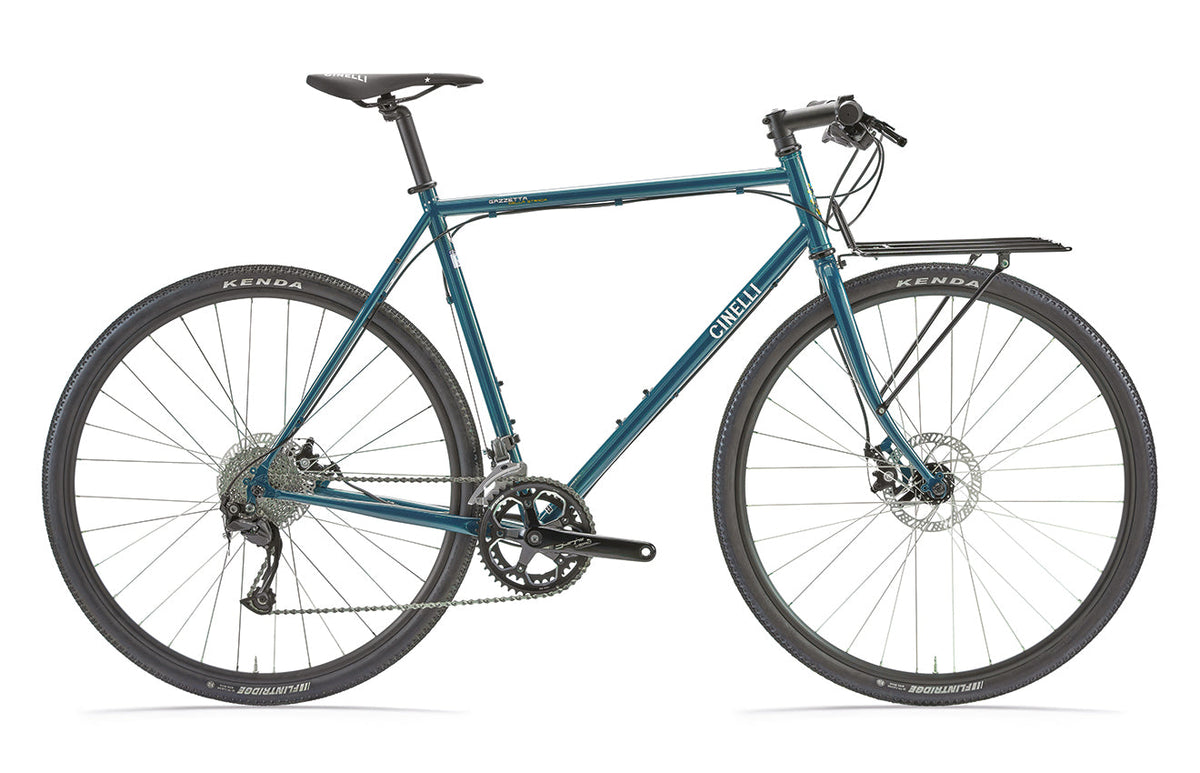
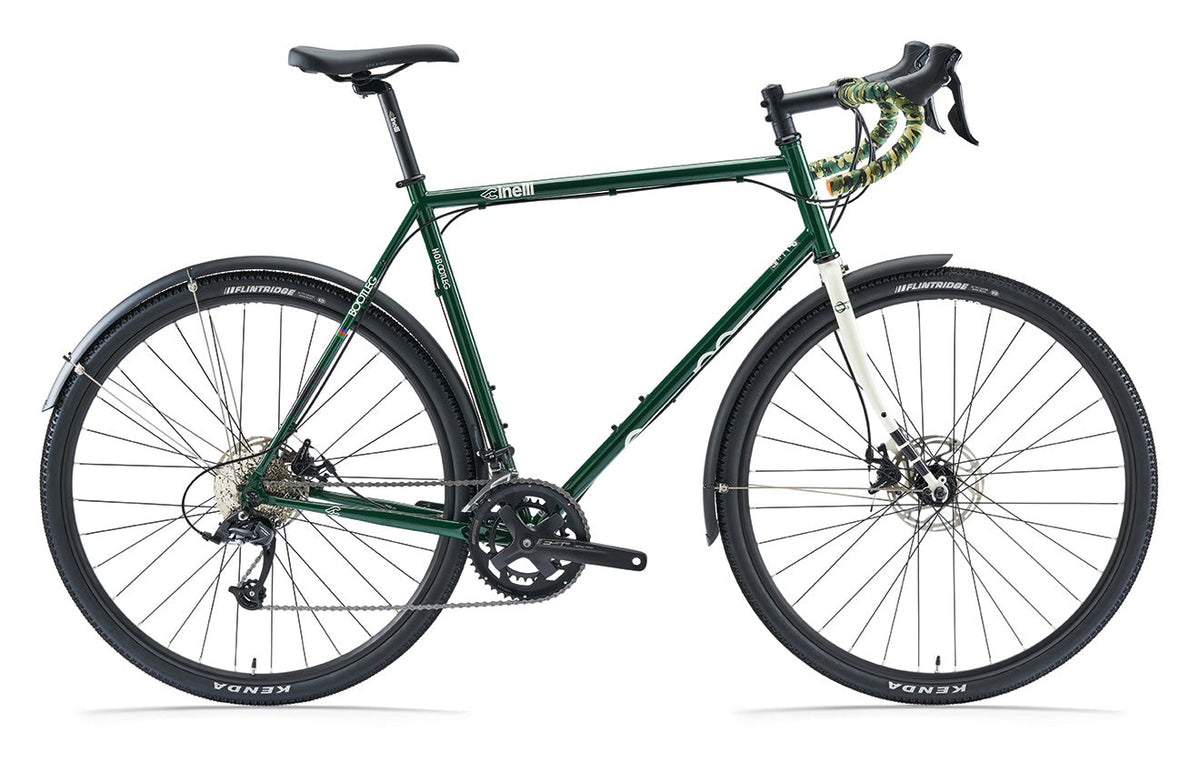
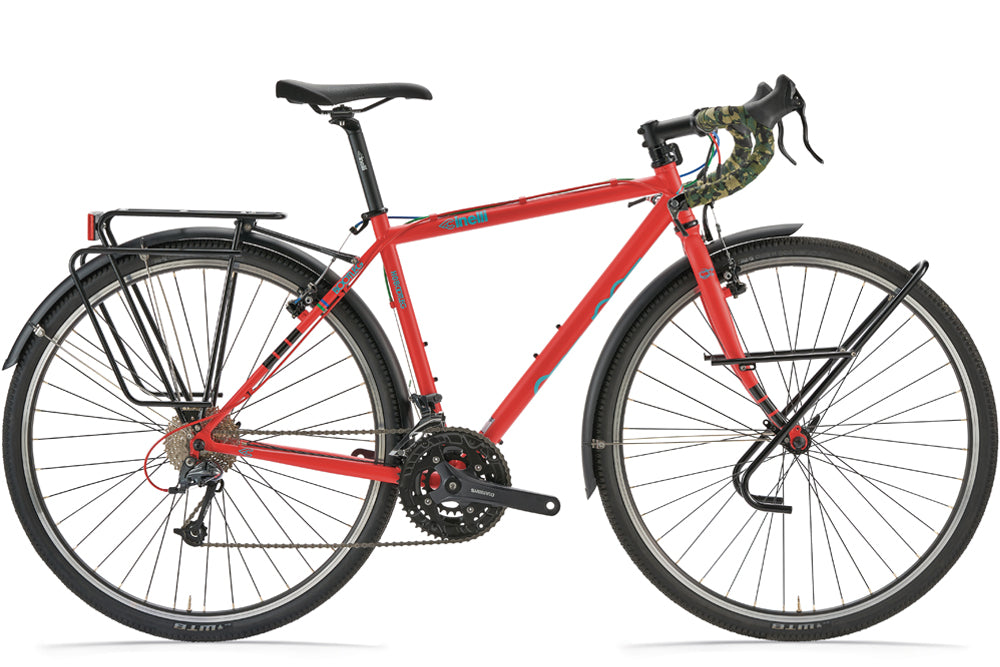
The Ha Giang Loop is a proper mixed-terrain trip — tarmac that deteriorates mid-kilometre, concrete that gives way to packed dirt, occasional tracks that are optimistically described as roads. Some of us rode the King Zydeco 2, others the Speciale Gravel. Different geometries, different materials — aluminium race platform versus Columbus steel — same outcome: the bikes got out of the way and let Vietnam do its thing.
When the equipment disappears — when you stop thinking about the bike and start looking at what's around you — that's when the trip actually happens. Both bikes delivered exactly that.


Riders: Patatrack — Milan cycling collective. Route: Patatrack Ha Giang Loop on Komoot. Bikes: Cinelli King Zydeco 2 · Cinelli Speciale Gravel.


